-
How to set up the home sleep test at home.
-
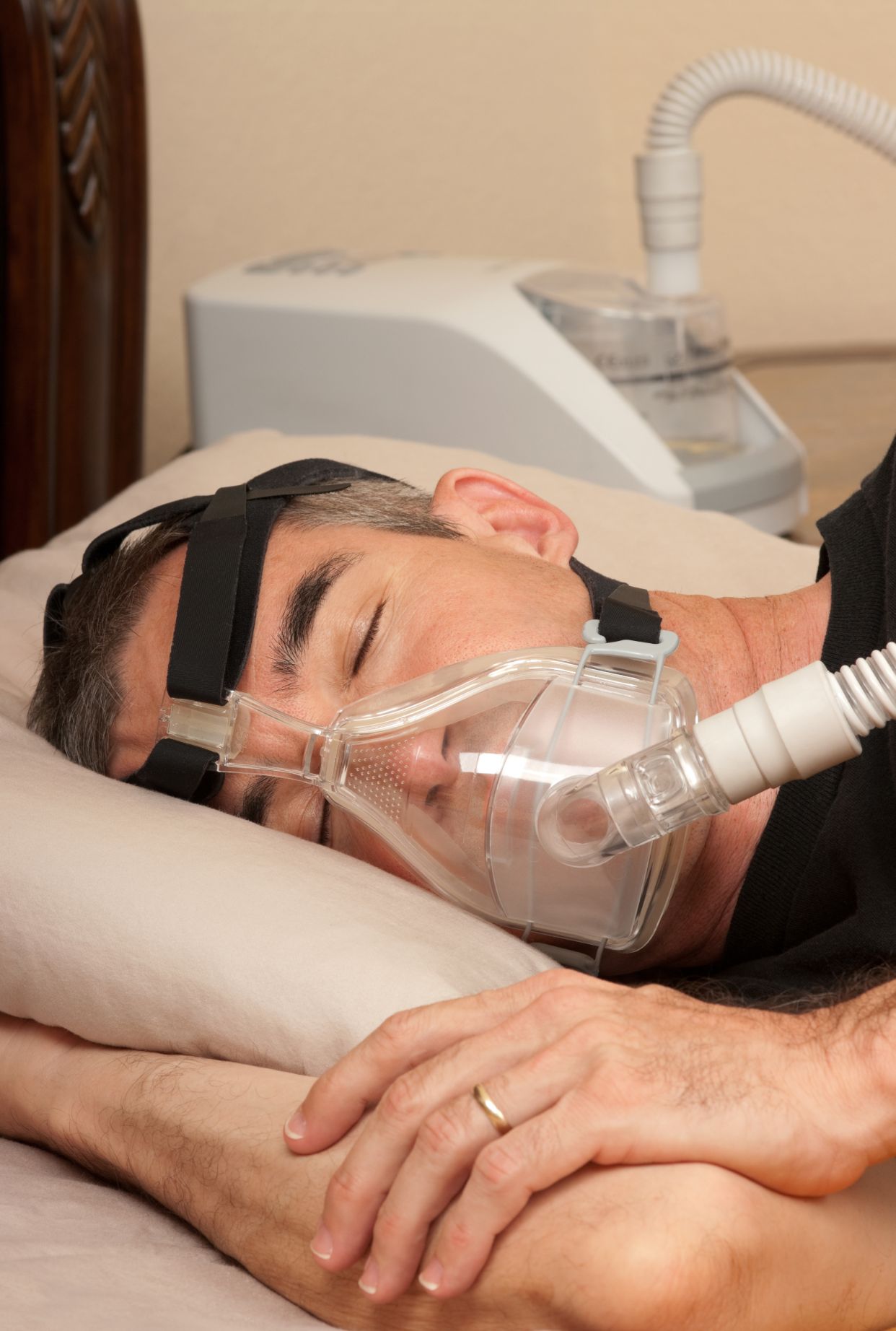
Do you find yourself waking up tired, or maybe with a headache or dry mouth? Obstructive sleep apnea could be the cause. This happens when your breathing is interrupted during sleep, often for more than ten seconds. When you sleep, your muscles relax, including the throat and chest muscles that help you breathe. If you have sleep apnea, relaxation of throat muscles combine with a narrowed airway to interrupt breathing.
-
The Alice NightOne home sleep testing (HST) device is designed to help patients get their study done right the first night.
-
At-home sleep apnea testing is an easy, cost-effective way to figure out whether you’re having trouble breathing. A home sleep apnea test is a very simplified breathing monitor that tracks your breathing, oxygen levels, and breathing effort while worn. It does not fully capture what is monitored with an overnight sleep study. Overnight sleep studies give a more thorough assessment of sleep issues. They are attended by a sleep technologist and capture many more signals, including brainwaves for sleep, muscle tone, and leg movements. For individuals with certain heart, breathing, or neuromuscular problems, an overnight sleep study at a sleep center may be better.
-
Key points to note about home sleep tests:
-
They monitor breathing, not actual sleep.
-
“A sleep test is meant to evaluate a patient for sleep apnea, and it monitors breathing parameters, not the sleep itself,” Patil says. The sleep test won’t analyze how long you’re in light or deep sleep, for instance. Instead, it will measure pauses in and absence of breathing, how much effort it takes to breathe and whether your breathing is shallow.
-
Your doctor needs to prescribe it.
-
This isn’t an over-the-counter test. Your primary care physician or a physician at a sleep clinic can order it to be taken home.
-
It uses sensors to detect breathing patterns.
-
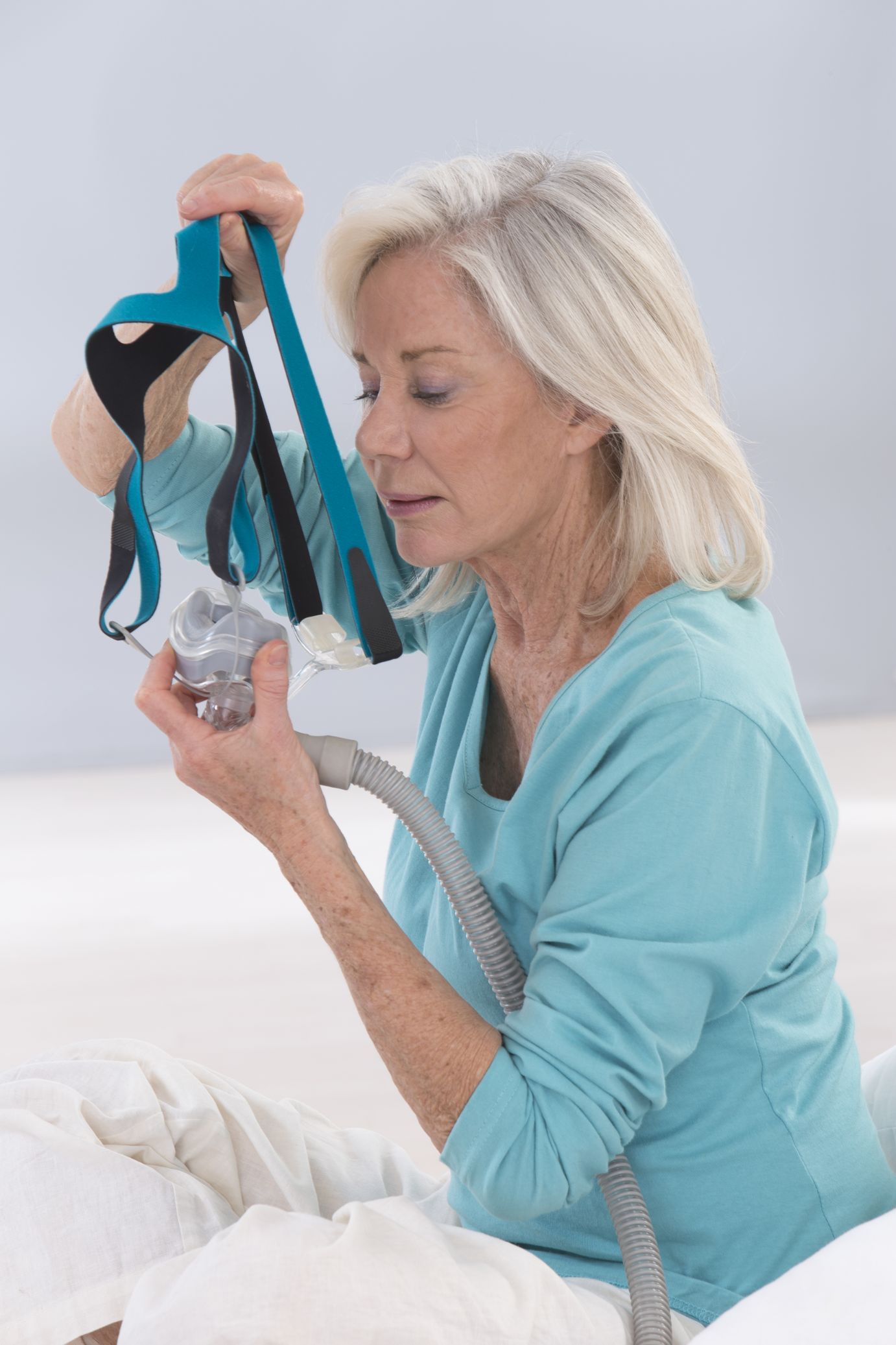
The sensors include a small probe over your finger that measures oxygen levels. You’ll insert another mask with tubes into your nostrils and secure it around your ears, similar to an oxygen mask. Other sensors are placed on your abdomen and chest to measure their rise and fall as you breathe.
-
It’s convenient.
-
With an at-home study, you’ll be in the comfort of your own surroundings, which could offer a more accurate reading of how you actually sleep, Patil says.
-
It doesn’t completely rule out apnea.
-
After the test, your results will be reviewed by a sleep technologist and sent to your physician. If symptoms persist, your physician might recommend an in-lab study. Home tests can sometimes be inaccurate: For instance, your sensors might fall off during the night. At a lab, a physician is on-site to monitor you.
-
You might have other sleep issues.
-
Not all sleep disorders are caused by breathing trouble. If your symptoms persist, you might not have apnea. Other common sleep issues that don’t affect the airways include movement disorders that cause nighttime restlessness or narcolepsy, a neurological disorder that affects the body’s sleep-wake cycles and causes excessive sleepiness. Your physician can work with you to pinpoint the cause.